Is It Worth Fixing Your Driveway or Should You Replace It?
September 5, 2025


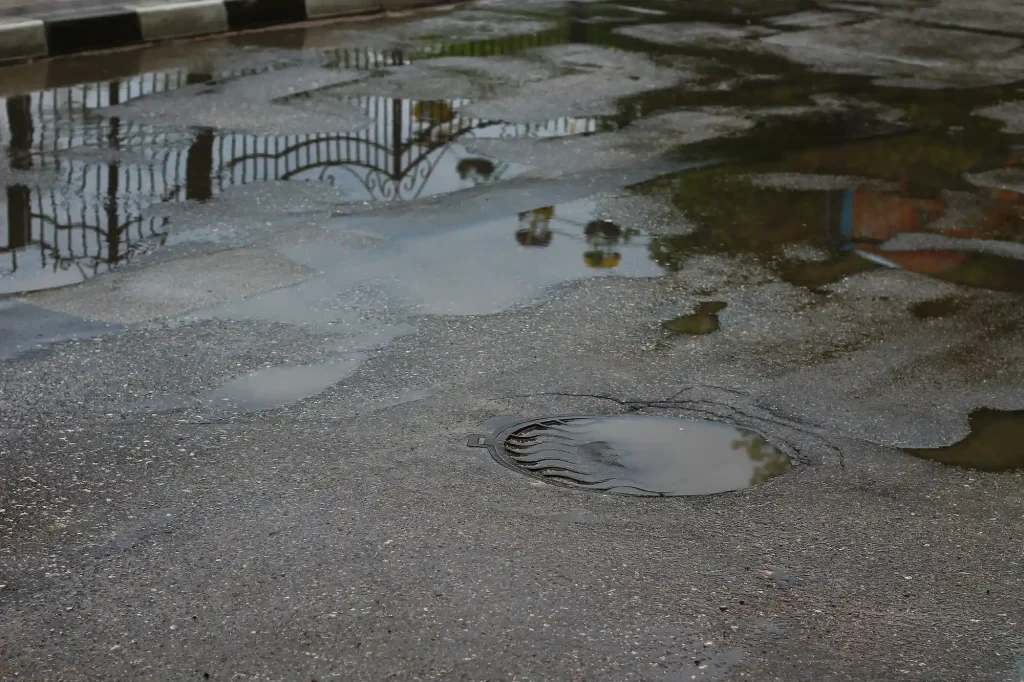
Water may seem harmless, but it is one of the most destructive forces your home can face. When water doesn’t drain properly, it seeps into places it should not go. Basements flood, foundations crack, and soil washes away. One of the leading causes of these problems is something most homeowners overlook. Sunken or uneven concrete.
Concrete settlement is more than just a trip hazard or an eyesore. It can completely change how water flows around your property. When your driveway, walkway, patio, or steps sink, they often tilt toward your house instead of away from it. That slope sends rain and snowmelt directly toward your foundation, increasing the risk of leaks and structural damage.
Concrete lifting solves this problem at its source. By restoring the original grade and slope of your surfaces, it helps keep water moving in the right direction. Here’s how the process works and why it is one of the smartest ways to protect your home from water damage.
Homes are built to shed water. Gutters, slopes, and drains all work together to keep moisture away from your foundation. When that system fails, water finds the path of least resistance. That path often leads straight into your basement, crawl space, or under your slab.
Poor drainage can lead to:
The longer water sits where it should not be, the more expensive the repairs become. Fixing the symptoms without addressing the cause means the problem will keep coming back.
Concrete slabs settle for many reasons. The soil beneath them shifts, compacts, or washes away. Heavy rainfall, poor drainage, and even tree roots can all weaken the base. When that happens, the slab drops, tilts, or cracks.
Most driveways, sidewalks, and patios are poured with a slight slope that directs water away from the home. Once a slab sinks, that slope disappears. Water then drains toward the house or pools near the foundation.
Even a small change in slope can cause big problems. Just a few centimeters of tilt can direct litres of water toward your basement or crawl space after a single rainstorm.
This article on why concrete settles explains the causes in more detail.
Here are the most common places where concrete settlement leads to drainage issues:
When the section closest to the garage sinks, water flows toward the building. It can seep under the garage door, soak into the foundation, or pool near the slab edge. Over time, this erodes the soil and damages the structure.
Learn more about driveway lifting solutions.
Sidewalks that dip or lean toward the house allow water to run along the foundation wall. This adds pressure and increases the chance of leaks.
A settled patio often causes water to collect near doorways or window wells. If steps pull away from the structure, gaps can form that let moisture in.
Garage slabs may sink in one corner or along the edge. Water can enter through these low points or cause damage from below if drainage is poor.
If you notice water pooling, soil pulling away from concrete, or dampness after storms, your concrete may not be level anymore.
Concrete lifting, also called slab lifting or foam injection, is a fast and minimally invasive way to restore sunken concrete. It works by filling the empty space beneath the slab with expanding polyurethane foam. This material lifts the slab back into position and strengthens the ground beneath it.
Here is how the process works:
This process restores the original slope of the concrete, which redirects water away from your home and prevents future damage.
Tearing out and replacing a slab is expensive, messy, and time consuming. It also doesn’t address the cause of the settlement. Without stabilizing the soil, the new slab may sink too.
Foam injection offers key advantages:
By fixing the root of the problem, concrete lifting prevents water damage before it starts.
If you’re not sure whether sunken concrete is affecting your drainage, look for these warning signs:
You may also notice cracks forming near doorways or along the base of exterior walls. These can be signs of excess water pressure from poor drainage.
The Lower Mainland sees a lot of rainfall throughout the year. That moisture saturates the ground and puts pressure on foundations. When drainage is compromised by sunken concrete, the risk of water damage increases.
Homes built on clay soils or with older drainage systems are especially vulnerable. Foam lifting helps homeowners in the region avoid costly structural repairs caused by long-term water exposure.
It also improves curb appeal and safety by leveling tripping hazards and eliminating unsightly dips or cracks.
Fixing sunken concrete before it leads to water damage is far easier and less expensive than dealing with the aftermath. Emergency repairs to a flooded basement or damaged foundation can cost thousands. In comparison, lifting a few concrete slabs is a quick and affordable process.
Taking early action also protects other investments, like landscaping, fences, and irrigation systems that may be affected by poor drainage.
When you work with a professional team like Level Bes Concrete Lifting, the process starts with a thorough inspection. Technicians identify low points, check for voids under the slab, and determine the best injection points.
You’ll receive a clear explanation of the issue and a no-pressure estimate. Most jobs take just a few hours and require no digging or major disruption.
The foam used is durable, waterproof, and backed by a 10-year warranty, giving you peace of mind that the repair will last.
If you see any signs of uneven concrete or poor drainage, don’t wait for a heavy storm to test your foundation. It’s best to act before water causes lasting damage.
A few reasons to get in touch now:
Sinking concrete does more than ruin your curb appeal. It quietly changes how water flows around your home, setting the stage for expensive damage. Concrete lifting is a simple and proven way to fix the problem and protect your property.
Contact Level Best Concrete Lifting today to schedule your free estimate and take the first step toward safer, drier ground.
We specialize in lifting and levelling settled concrete, providing an efficient, cost-effective alternative to replacement. Our commitment to honest pricing, quality workmanship, and exceptional service is backed by an industry-leading 10-year warranty. When you work with Level Best Concrete Lifting, you're choosing a team that values transparency, integrity, and customer satisfaction.
Copyright © 2026 Level Best Concrete Lifting Ltd. All Rights Reserved.