Should You Lift or Replace Your Concrete
March 4, 2025


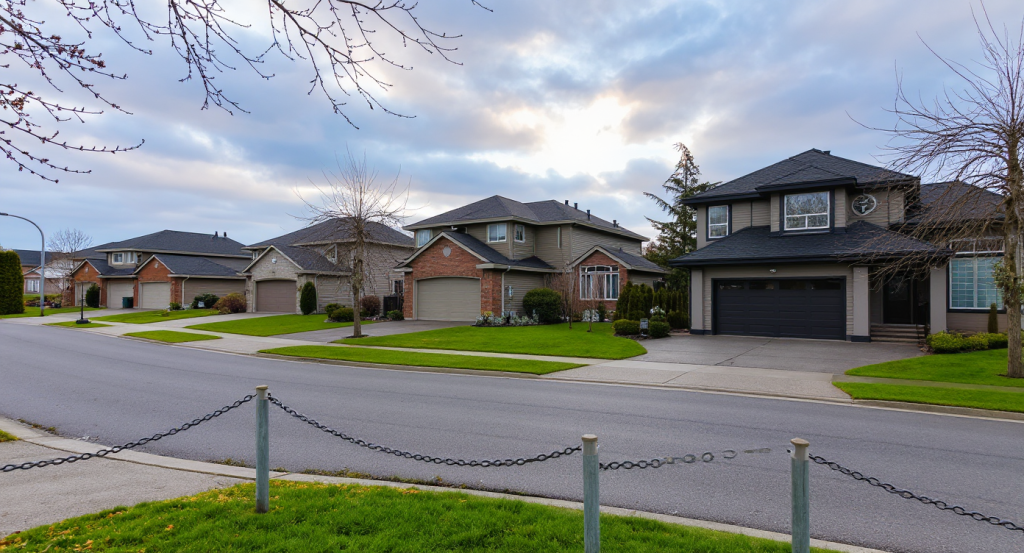
Your driveway is one of the most used parts of your property. It handles the weight of your car every day, sees foot traffic, and adds to the overall look of your home. So when it starts to sink, crack, or slope, the question becomes unavoidable. Should you fix it or replace the whole thing?
The answer depends on a few key factors. It’s not just about looks. Safety, cost, long-term performance, and how you plan to use your space all matter. This blog walks you through what to consider and how to make the right choice for your home and your budget.
Driveway problems come in different forms. Some are surface level and cosmetic. Others point to bigger issues below the concrete. Before making a decision, take a close look at what’s really happening.
Here are common signs that lead people to ask about repair or replacement:
Now ask yourself: Are these problems just cosmetic, or do they make the driveway hard to use or unsafe? If it’s more than just appearance, you’ll need to take action.
In the Lower Mainland, the most common cause of driveway damage is shifting soil. Rain, clay-based ground, and poorly compacted fill can all lead to erosion under your slab. Another factor is how the concrete was prepared in the first place. If it was poured without proper reinforcement, such as rebar or mesh, or mixed improperly, it becomes more vulnerable to cracking and failure when the soil shifts underneath.
Other causes include:
Once concrete starts to move, it rarely stops on its own. Catching it early can mean the difference between a simple lift and a full rebuild.
Repair is often faster, cheaper, and less disruptive than replacement. If your concrete is mostly intact but has settled unevenly, it’s a strong candidate for lifting. This involves injecting foam under the surface to raise the slab and stabilize the soil below.
Here’s when you should consider repair:
With foam injection, most driveways can be lifted and ready to use within a few hours. It’s clean, efficient, and designed to last for years.
There are times when concrete is too far gone. If your driveway is cracked in several places, crumbling, or showing signs of structural failure, repair might only delay the inevitable. A fresh pour gives you a clean surface and a new start.
You should consider replacement if:
Replacing your driveway gives you the chance to improve both appearance and function. You can add decorative finishes, widen the path, or correct grading issues that have been there for years.
Just keep in mind that full replacement is more expensive and time-consuming. You’ll also need to wait several days before using the surface again.
Most homeowners want to know how the two options compare in terms of cost. In general, concrete lifting is significantly more affordable than replacement.
Repair is not only cheaper up front. It also saves you time and avoids the added costs of tearing up driveways, curbs, and landscaping.
You might wonder if a repair will last as long as a new driveway. The answer depends on how the repair is done and what caused the problem in the first place.
With foam injection, you’re not just lifting the slab. You’re also stabilizing the soil that caused the issue. The foam is waterproof, long-lasting, and resists erosion. It bonds with the soil to create a strong base. This prevents future sinking in most cases.
If your existing concrete is in good shape, a proper lift can last just as long as a new pour. In fact, many companies offer warranties on foam lifting that cover several years or even more.
Repair is also a greener choice. Replacing a driveway means sending old concrete to a landfill and pouring new material, both of which come with a carbon footprint.
Foam injection uses fewer materials, creates less waste, and avoids heavy equipment. It’s a smart option for homeowners who want to reduce environmental impact while fixing their property.
Your decision might come down to what matters most to you. Are you focused on restoring function? Do you want the driveway to look brand new? Are you planning to sell your home soon, or stay for the long term?
Choose repair if:
Choose replacement if:
One of the biggest mistakes homeowners make is assuming they need to replace their driveway when it sinks. In reality, many surfaces can be restored without removal.
Foam lifting works especially well in our climate. It’s waterproof, strong, and cures quickly. Most homeowners are surprised to learn their uneven driveway can be back in use within the same day.
Another mistake is waiting too long. What starts as a small slope or crack can turn into a full break if ignored. Early action often leads to better results and lower costs.
If you decide to lift instead of replace, here’s how the process works:
There’s no need for demolition, hauling, or long curing times. The equipment is compact and the process is clean, making it ideal for residential spaces.
Still not sure whether to fix or replace your driveway? Contact Level Best Concrete Lifting for a free estimate. We’ll take a look and help you decide what makes the most sense for your home. post content here


We specialize in lifting and levelling settled concrete, providing an efficient, cost-effective alternative to replacement. Our commitment to honest pricing, quality workmanship, and exceptional service is backed by an industry-leading 10-year warranty. When you work with Level Best Concrete Lifting, you're choosing a team that values transparency, integrity, and customer satisfaction.
Copyright © 2025 Level Best Concrete Lifting Ltd. All Rights Reserved.